Guardians of the land: how african women are cultivating hope
di Redazione
As climate change and insecurity threaten food supplies, women across Africa are leading the charge for land rights, sustainability, and survival

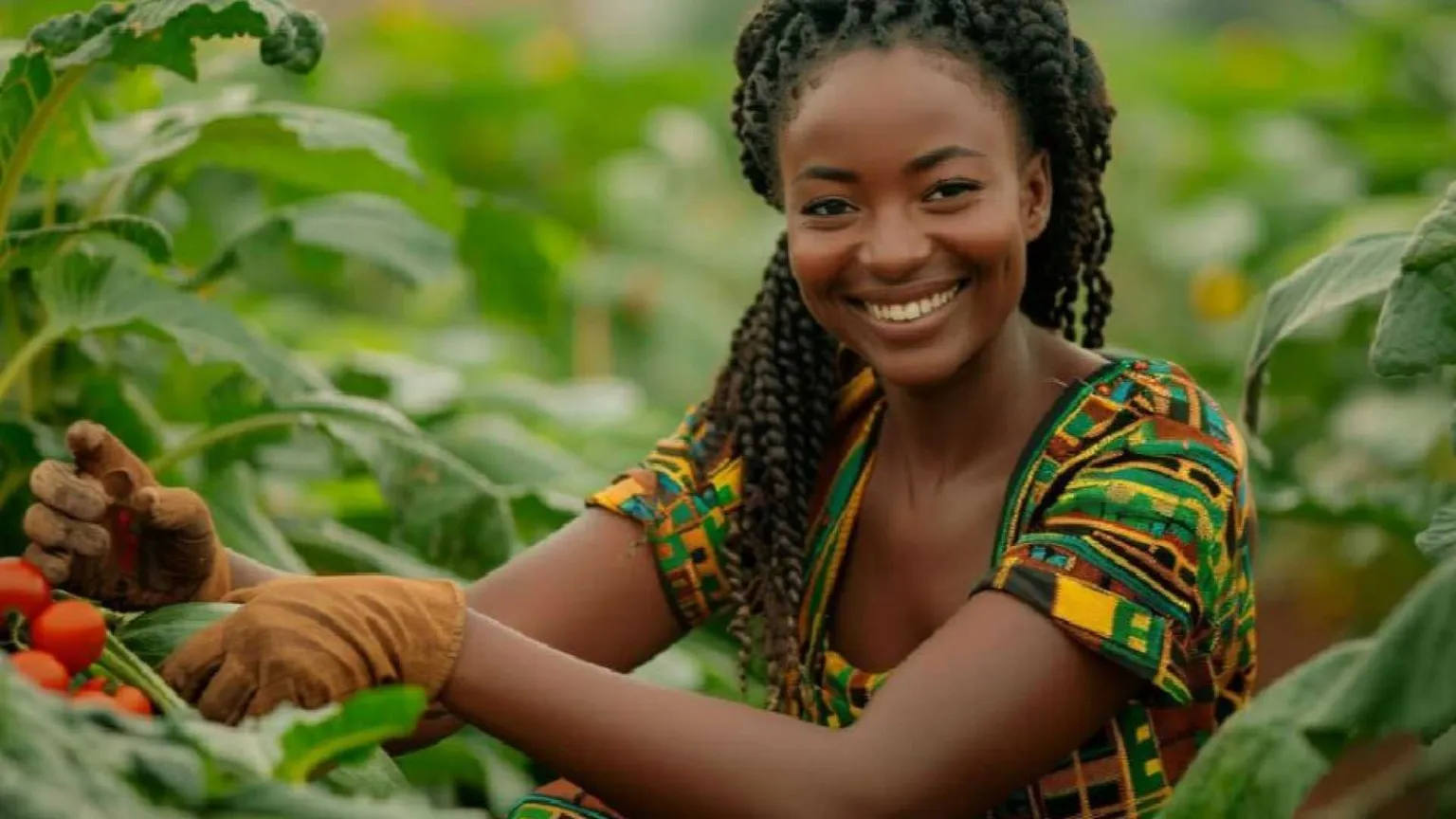
On a dusty afternoon in Nigeria’s Benue State, Aisha Usma kneels in her yam field, hands caked in the dry, crumbling soil. She looks up at the cloudless sky, searching for rain that never comes. «The rain no longer comes as before», she says, brushing dirt from her skirt. «Without rain, we cannot harvest good yams. We are struggling».
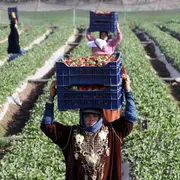
Aisha’s struggle is shared by millions of women across Africa — the invisible hands that grow up to 80% of the continent’s food. Yet despite their vital role, women own less than 15% of the land (World Bank). It’s a brutal irony: the people most responsible for feeding Africa are often the ones with the least power to control the land they depend on.
And as climate change accelerates, that inequity is becoming even more dangerous.
Across Kenya, Tanzania, Nigeria, and beyond, women farmers face a triple threat: erratic weather, growing insecurity, and systemic barriers to land ownership.
More than 140 million Africans are teetering on the edge of acute food insecurity (World Food Programme). In Kenya alone, 5.4 million people are at risk of hunger after relentless droughts and floods (The Elephant). Meanwhile, Nigerian farmers like Aisha are not only battling drought but also rising violence and displacement.
«When the rains fail, it is the women who walk for miles to find food and water for the family», says Esther Khavere, a farmer from rural Kenya.
The struggle is relentless. But African women are fighting back — and planting seeds of hope that could transform the continent’s future.
The Roots of the Problem — and the Seeds of Change
At the heart of the crisis is land — who owns it, who controls it, and who gets left out.
«Land is a big part of the problem», says Dr. Felista Makini, Deputy Director General of Crops at the Kenya Agricultural and Livestock Research Organisation (KALRO). «If women can’t own land, they can’t control production, adapt to climate change, or feed communities».
The link is clear: research shows that giving women secure land rights boosts farm yields by 20–30%, reduces food insecurity, and strengthens resilience to climate shocks (FAO). In Nigeria, just one extra acre of land can cut food insecurity for women-headed households by 16%.
Yet across many African countries, outdated customs and legal loopholes still block women from owning land outright. In Togo, more than 60% of rural women still lack secure land rights (UN Women). In Tanzania, Maasai women have long been excluded from managing livestock — traditionally seen as a male domain.
But cracks are starting to form in these old barriers — thanks to women who refuse to wait.
Breaking Ground: The Women Leading Africa’s Land Revolution
Happy Longei remembers when Maasai women were expected to stay silent in land and cattle discussions. Today, she’s part of the Nareto Cooperative, a women-led initiative that’s rewriting the rules. «They said women could not manage cows or milk businesses». Happy says, flashing a defiant smile. «We proved them wrong». (Habitat Media Tanzania)
Through the cooperative, Maasai women have secured communal grazing lands, built milk collection centers, and diversified into beekeeping and village savings banks (Vicoba). «With the income, we send our daughters to school», says Yasinta Tango, another Maasai entrepreneur.
Across Tanzania, 127 villages are now involved in pasture management programs that prioritize women’s leadership and climate-smart techniques. Meanwhile, in the dry plains of northern Nigeria, Aisha and other yam farmers are fighting on two fronts: adapting to erratic weather and demanding secure leases from traditional rulers. They are building rainwater harvesting systems, diversifying crops, and planting drought-resistant yams. «We need support to farm better — seeds, tractors, and peace», Aisha says.
As climate change tightens its grip on Senegal’s farmlands, women like Fatimata Sall believe resilience begins with secure land ownership. «If I had land to grow fodder, life would be so different», she says, envisioning women as drivers of sustainable growth rather than mere survivors. Today, only 15.2% of women have access to agricultural land—mostly without formal titles, according to DAPSA—fueling urgent calls for change. Activists like Aïda Cissé of the National Network of Rural Women are pushing for legislative quotas to allocate a fixed percentage of land to women. Rwanda’s success with joint land titling, which empowered women to lead climate-smart farming, offers a model. «Awareness has improved», Cissé notes. «Now, laws must follow».
Securing women’s land rights would enable investment in soil restoration, better adaptation to droughts, and sustainable herd growth—strengthening food security and building a more resilient, prosperous Senegal.
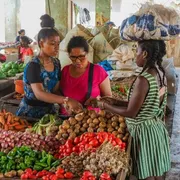
In Senegal’s coastal town of Kayar, women farmers practicing organic farming are proving that small plots of land, if nurtured properly, can yield not just food but opportunity. Their produce fills local markets, pays for school fees, and keeps families afloat — all while revitalizing the land.
From the Ground Up: Advocacy Through Art, Law, and Solidarity
Change is sprouting not only from fields but from theaters and town squares. In Malawi, artistic groups use dance and drama to spark conversations about women’s land rights. Their slogans — My Land, My Right — are catchy, bold, and powerful, igniting discussions that once seemed taboo.
In Burkina Faso, Baniyala Tankoano fled conflict with her seven children. But rather than give in to despair, she turned to agroforestry. At the Tin-Ba training center, she learned to cultivate vegetables and fruit trees, transforming two hectares of dusty land into a flourishing farm. «It was hard at first», Baniyala admits. «But with the training, I can now take care of my family and help others».
Across Africa, grassroots success stories like these are multiplying — and challenging outdated narratives about women and land. «When women have land, they grow more than food — they grow security, opportunity, and dignity», says professor Ruth Oniang’o, a leading voice on food security and gender equity.
The Road Ahead: Empowering the Guardians of Africa’s Food Future
Africa is standing at a crossroads. Climate shocks are intensifying. Conflicts over land are deepening. And food insecurity is becoming an ever more urgent threat.But the answer is already growing in the fields of Nigeria, the cooperatives of Tanzania, the markets of Senegal, and the hearts of women like Aisha, Happy, and Baniyala. «Land is our life», Aisha says simply. «Without land, we cannot feed our children. We cannot survive».
Experts agree: securing women’s land rights is one of the most powerful — and overlooked — solutions to building a resilient, food-secure Africa. The World Bank calls it a potential “game-changer". Research shows that equal access to land and farming resources could slash global hunger by up to 17%.
Governments are beginning to act, with land reforms underway in Ghana, Benin, Togo, Kenya, and Tanzania. But real transformation requires more than new laws. It demands shifting mindsets, dismantling patriarchal traditions, and investing directly in women farmers as agents of change. Because when women control the land, the harvest feeds everyone. As Aisha Usma says, looking over her parched but stubbornly hopeful yam field: «We are the guardians of the land. Give us the tools — and we will grow the future!».
The following AWJP Fellows have contributed to this story: Nelly Madegwa, Jenifer Gilla, Justina Ashishana, Aissatou Ba, Ndiaye Fatou, Sylvie Ouedraogo, and Rasmata Ouedraogo. Their reporting highlights women farmers across Africa who are driving transformative change. This work reflects the African Women Journalism Project’s dedication to amplifying women’s voices and promoting solutions-oriented journalism across the continent.
© RIPRODUZIONE RISERVATA
 Seguici anche su Google Discover di Avvenire